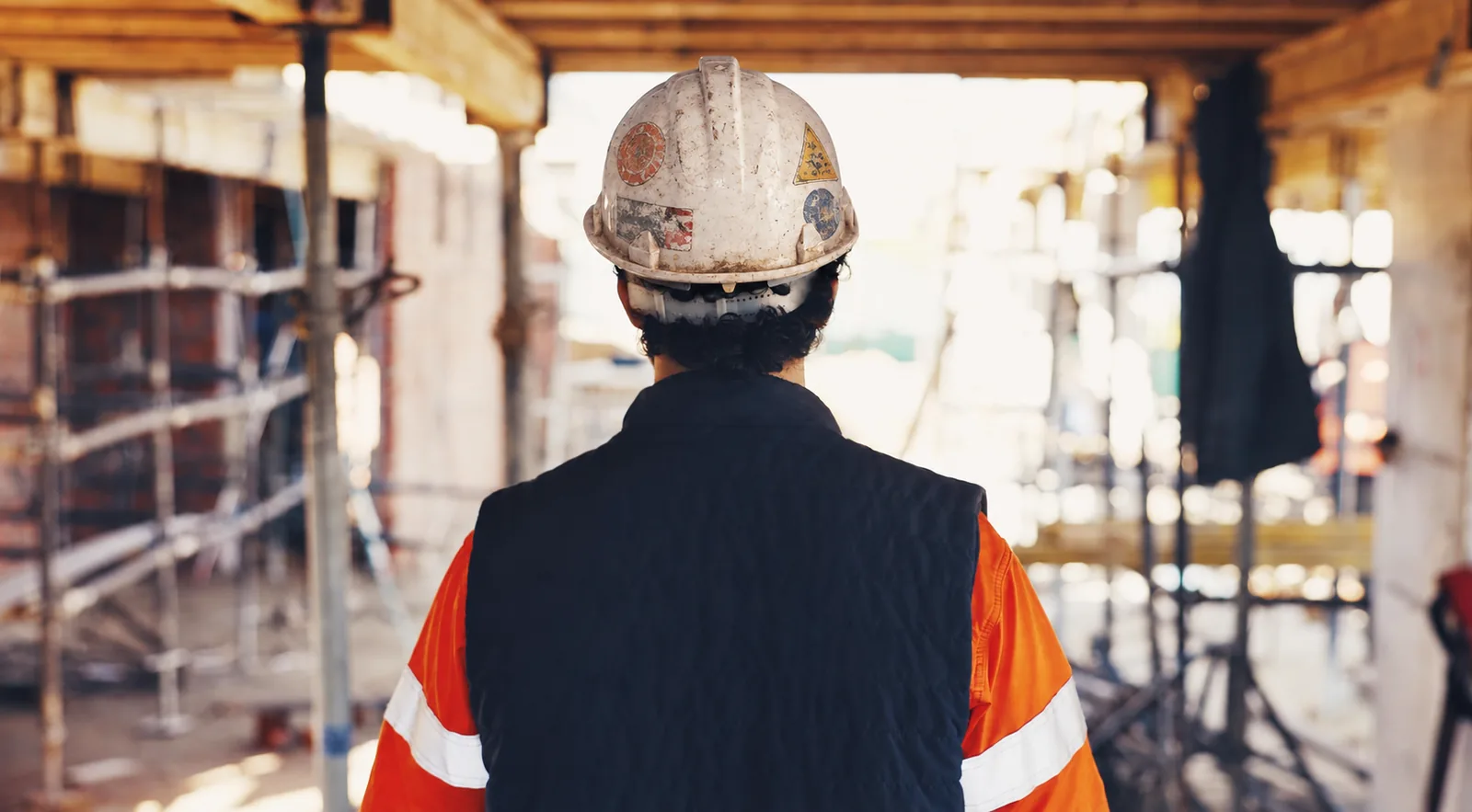
Construction in 2025: Fewer Hands, Smarter Tools
You don't need a headline to know the jobsite is short-staffed, just look around. Crews are thinner, schedules feel tighter, and every superintendent or project manager you talk to says the same thing: we're stretched.

On this page
You don't need a headline to know the jobsite is short-staffed, just look around. Crews are thinner, schedules feel tighter, and every superintendent or project manager you talk to says the same thing: we're stretched.
The good news? While the labor pool isn't filling up anytime soon, technology is starting to ease the pressure. From AI-powered tools to early robotics, 2025 is shaping up to be a pivotal year for construction leaders navigating both labor shortages and the promise of innovation.
Labor Shortages & Workforce Dynamics
The numbers paint a clear picture: the labor shortage isn't going away.
Persistent Gaps: Between August 2023 and July 2024, U.S. construction averaged 382,000 job openings per month. That's nearly 400,000 roles crews were scrambling to cover, foremen, equipment operators, skilled trades, you name it.
Slowing Job Growth: From February 2024 to February 2025, construction employment grew by just 174,000 jobs (2.1%). Compare that to the year before, when growth peaked at 5.1%. Fewer young workers are entering the trades, and retirements continue to outpace recruitment.
Public vs. Private Divide: Overseas, strikes like the one in Brisbane, where public-sector workers walked off the job demanding better pay and fewer hours, signal the growing tension between labor expectations and output demands.
For superintendents and project managers, this isn't just an abstract "industry challenge." It's the reality of being asked to do more with less:
- Covering for missing crew members - Juggling schedules with tighter margins for error - Writing daily logs at night after a full day in the field - Babysitting outdated software that makes simple updates a chore
The shortage is everyone's problem, but the brunt of it often lands on field leaders like you.
Tech & Innovation Frontiers
If the labor pipeline isn't going to solve itself, the obvious question is: what can technology do to help?
Robotics & Automation: Promising, But Not Yet Plug-and-Play
You've probably seen the headlines about robotic bricklayers or autonomous equipment. Take the ADAPT project's autonomous forklift, for example, it's proven capable of handling materials across uneven terrain with near-human precision.
But here's the reality:
- These systems are early-stage and often limited to controlled environments - Costs are high, training takes time, and integration isn't seamless - For most SMB contractors, autonomous gear still feels like a future investment, not today's lifeline
Generative AI: A Quiet Productivity Booster
Where innovation is gaining traction right now is in AI for construction managers and superintendents. Tools powered by retrieval-augmented generation (RAG), a fancy way of saying "AI that pulls from your own project files", are showing up in workflows like:
- Document Search: No more sifting through a hundred PDFs to find that one clause - Procurement Support: Faster vendor comparisons and bid analysis - Compliance Checks: Automating the tedious parts of safety or regulatory documentation
It's not flashy like a robot, but it's practical. And practical matters most when you're running a project with fewer people and tighter deadlines.
Where Hardline Fits
This is where Hardline comes in. While the industry waits for robots to become affordable or for AI research to trickle down, Hardline is already helping superintendents and project managers spend less time on paperwork.
Here's how:
Drafted Daily Logs: Instead of typing reports at the end of the day, you can just walk the site with on-site capture, speak your notes out loud, and Hardline drafts structured logs for you to review.
Calls Turned Into Tasks: Every call, from a subcontractor update to a supplier check-in, can be captured and logged, so nothing slips through the cracks.
Tasks Without the Typing: Forget fighting with software at midnight. Hardline pulls tasks with suggested owners and due dates out of what was said, for you to confirm.
The contrast is simple:
- Future Promise: Autonomous forklifts might one day ease the labor gap - Today's Reality: Hardline cuts the typing right now, which is time you can reinvest into keeping jobs on schedule and crews focused
Hardline isn't about replacing people. It's about giving the people you do have superpowers so you can bridge the labor shortage without burning out.
What This Means for You
The construction industry is entering a new era:
- Fewer Workers: The labor pipeline isn't refilling as fast as it's draining - Smarter Tools: From AI-driven assistants to task automation, technology is stepping in to make every hour count - New Expectations: Owners and clients still demand on-time, on-budget delivery, even when your crews are stretched thin
As a superintendent or project manager, you're right in the middle of this shift. You can't control the labor market, but you can choose the tools that help you stay ahead of it.
The Takeaway
The reality of 2025 is this: construction leaders are being asked to deliver more with fewer hands. Waiting on futuristic tech won't solve the problem. Practical innovation will.
That's why Hardline exists, to give superintendents, project managers, and contractors the ability to:
- Cut admin work - Capture and organize calls hands-free - Keep projects moving even when staffing is tight
Fewer workers + smarter tools = the new reality of construction.
See how Hardline helps you cut paperwork and keep projects moving, even when crews are stretched thin.
Karly Heffernan
Ready to capture every conversation?
Hardline turns your calls and site conversations into daily logs, RFIs, tasks, and more, automatically.